Feeling Alone? You're Not the Only One — Let’s Talk About It
Loneliness is something we all face at some point in our lives. In a hyper-connected world, it's ironic that so many of us still feel disconnected. If you've recently searched "feeling alone," you are not alone — literally and emotionally. This post explores why we feel this way, what it means, how to overcome it, and how you can find real, meaningful connections again. Let's talk about it.
PAIN
Rizwan Quazi
4/24/20253 min read


Feeling Alone? You're Not the Only One — Let’s Talk About It
Loneliness is something we all face at some point in our lives. In a hyper-connected world, it's ironic that so many of us still feel disconnected. If you've recently searched "feeling alone," you are not alone — literally and emotionally. This post explores why we feel this way, what it means, how to overcome it, and how you can find real, meaningful connections again. Let's talk about it.
What Does "Feeling Alone" Really Mean?
Loneliness is not always about being physically alone—it's often about feeling emotionally disconnected.
You may feel unseen or unheard, even when you're surrounded by people.
You may be going through life changes (divorce, job loss, relocation) that trigger isolation.
Mental health struggles like anxiety and depression often intensify feelings of loneliness.
Emotional loneliness differs from social loneliness – one is internal, the other is circumstantial. Both can deeply impact your well-being.
Why So Many People Feel Alone in 2025
Summary: Despite digital communication, many people report feeling lonelier than ever.
Social media creates false connection and comparison.
Remote work reduces daily interactions.
Urban lifestyles often mean fewer close-knit communities.
Mental health awareness is increasing, which brings more people to admit their feelings.
Recent Trends (Fresh Content Insight): According to a 2024 report by WHO, over 33% of adults report feeling "seriously lonely" at least once per week.
What Are the Effects of Chronic Loneliness?
Summary: Chronic loneliness isn't just emotional; it impacts your body and brain.
Increased risk of heart disease and stroke
Heightened inflammation and lowered immunity
Higher chances of depression, anxiety, and even cognitive decline
Real-Life Question Answered: "Is feeling lonely bad for your health?" Yes. Studies show chronic loneliness can shorten lifespan as significantly as smoking 15 cigarettes per day.
Signs You're Not Just Alone — You're Lonely
Summary: It's important to recognize the signs early.
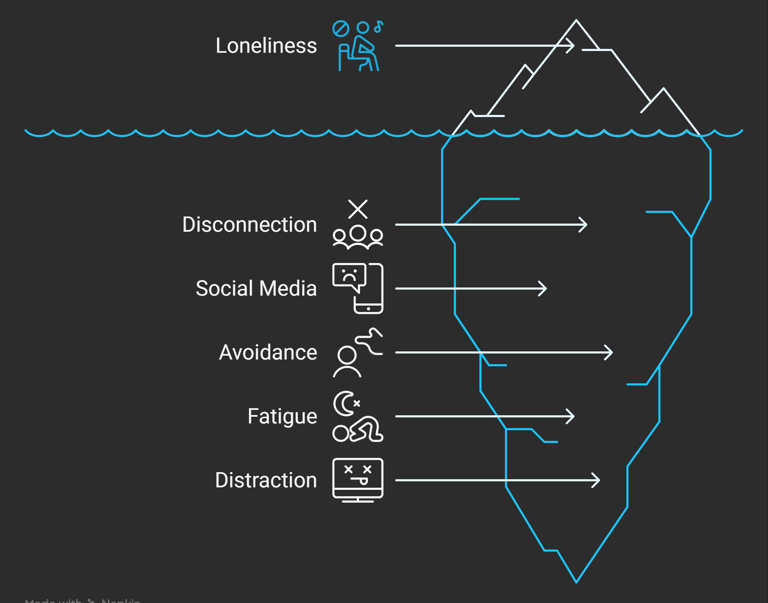
Constant tiredness or lack of motivation
Scrolling social media without satisfaction
Longing for someone to talk to or share with
Increased consumption of entertainment or food as a coping mechanism
How-To Tip: Keep a "connection journal" – note daily interactions, feelings, and thoughts. This can help you understand patterns.
How to Cope and Start Feeling Connected Again
Summary: Small intentional steps can help you reconnect.
1. Start by Reaching Out (Even When It's Hard)
Message someone you've lost touch with.
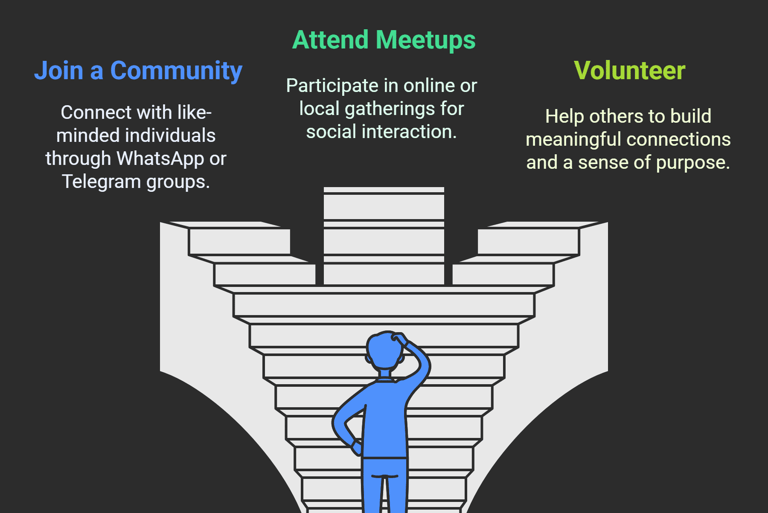
Join a hobby group or online community.
2. Be Honest About Your Feelings
Talk to someone you trust.
Vulnerability often invites real connection.
3. Engage in Purposeful Activities
Volunteer for causes you care about.
Attend community meetups (even virtually).
4. Consider Therapy or Support Groups
Talking to a professional helps identify root causes.
You’ll learn tools for emotional self-care.
Navigational Need: Where Can I Find Real Friendships?
Summary: Here are practical places to find like-minded people.
Community centers
Meetup.com or Bumble BFF
Interest-based clubs (reading, gardening, etc.)
Local NGOs or volunteer organizations
Local Context (Example): If you're based in Delhi, check out "Delhi Women's Circle" or "Delhi Mindfulness Club" – both promote connection and well-being.
Key Benefits of Opening Up About Loneliness
Improved Mental Health: Talking reduces anxiety and clears mental clutter.
Better Physical Health: Human connection boosts oxytocin and lowers cortisol.
Stronger Relationships: When you're honest, you attract people who genuinely care.
Greater Confidence: Being seen and heard validates your worth.
How to Build Meaningful Relationships (That Last)
Prioritize quality over quantity
Look for shared values, not just shared interests
Practice active listening and empathy
Set healthy boundaries
5 Signs You Might Be Lonely:
Frequently Asked Questions (FAQs)
Q: How do I stop feeling so lonely at night?
A: Create a calming evening routine, limit social media use before bed, and consider joining nighttime online support communities.
Q: Can someone be in a relationship and still feel lonely?
A: Yes. Emotional disconnection in relationships is a common source of loneliness.
Q: Is it okay to admit I feel lonely?
A: Absolutely. Admitting it is the first brave step toward healing.
Final Thoughts: You’re Not Alone — Not Anymore
Loneliness might be a part of your story right now, but it doesn’t have to be the whole story. Many people feel the same way – quietly, deeply, and often silently. But change starts with a single moment of connection. Like this one.
💬 Ready to Talk or Connect?
If you’re looking for genuine friendship or someone to talk to, don’t hesitate. Drop a message, join our private support group, or sign up for our next community call. Sometimes, all it takes is one honest conversation to begin again.
You matter. You're worthy. And you're never truly alone.
Top Activities to Beat Loneliness in 2025